Stress fractures are small cracks in the bone that develop due to repetitive force, overuse, or prolonged physical strain. Unlike sudden traumatic breaks, stress fractures form gradually, often affecting athletes, active professionals, and individuals who spend long hours standing or walking. While medical supervision is essential for diagnosis and monitoring, much of the healing process can be effectively supported at home. With the right approach, natural bone repair can be encouraged safely and efficiently. For additional recovery resources and expert insights, you can explore 출장 for supportive guidance.
Understanding Stress Fractures
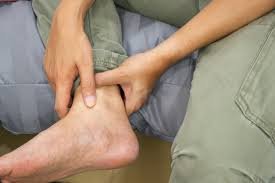
A stress fracture typically occurs when muscles become fatigued and are no longer able to absorb shock properly. As a result, repetitive stress transfers directly to the bone, leading to tiny cracks. Commonly affected areas include the foot, ankle, shin, and hip. Early symptoms often present as localized pain that worsens with activity and improves with rest, along with mild swelling and tenderness.
Recognizing these early warning signs is critical. Continuing high-impact activities despite discomfort can worsen the injury and significantly delay healing.
The Importance of Early Diagnosis
If a stress fracture is suspected, professional evaluation is necessary. Doctors may perform physical examinations and use imaging tests such as X-rays or MRIs to confirm the diagnosis. Early detection prevents complications and ensures a structured recovery plan.
Once diagnosed, most stress fractures heal without surgical intervention. However, consistent in-home care plays a vital role in the speed and quality of bone recovery.
Rest: The Foundation of Healing
Rest is the most essential component of stress fracture treatment. Reducing or eliminating weight-bearing activity allows the bone to repair itself naturally. Depending on severity, a doctor may recommend crutches, a walking boot, or temporary immobilization.
Avoid activities such as running, jumping, or prolonged standing. Low-impact alternatives like swimming or cycling (only if approved by a healthcare provider) can help maintain fitness without interfering with bone repair.
Nutrition That Supports Bone Regeneration
Proper nutrition significantly influences bone healing. Key nutrients include:
Calcium: Vital for bone strength and structure.
Vitamin D: Supports calcium absorption and bone mineralization.
Protein: Essential for tissue repair and recovery.
Magnesium and Vitamin K: Contribute to bone density and healing support.
Staying well-hydrated also improves circulation and nutrient delivery to injured tissues.
Cold Therapy for Pain Relief
Applying ice packs to the affected area for 15–20 minutes several times a day helps reduce inflammation and manage pain. Always wrap ice in a cloth to protect the skin. Cold therapy is particularly helpful during the initial inflammatory phase.
Compression and Elevation
If swelling is present, gentle compression and elevating the injured limb above heart level can reduce fluid buildup and improve circulation. These simple at-home strategies enhance comfort and promote recovery.
Gradual Rehabilitation
Healing from a stress fracture typically takes 6–8 weeks, though recovery time varies depending on severity and individual health factors. Returning to activity too quickly can lead to re-injury or a complete fracture.
A safe progression usually includes:
-
Pain-free daily movement
-
Light strengthening exercises
-
Gradual reintroduction of low-impact activities
-
Controlled return to full activity under supervision
Listening carefully to your body is essential. Persistent pain may indicate incomplete healing.
Strengthening to Prevent Recurrence
Weak muscles increase stress on bones. After medical clearance, incorporating strengthening exercises helps redistribute load more effectively. Focus on improving:
-
Core stability
-
Lower limb strength
-
Balance and coordination
-
Flexibility
Strengthening surrounding muscles reduces the risk of future stress fractures.
Proper Footwear and Support
Supportive footwear plays a major role in both healing and prevention. Shoes with proper cushioning and arch support help distribute impact evenly. If recommended, custom orthotics may correct biomechanical imbalances.
Avoid worn-out shoes, especially during recovery phases.
The Role of Sleep in Bone Healing
Sleep is often overlooked but is critical for tissue repair. During deep sleep, the body releases growth hormone, which supports bone regeneration. Aim for 7–9 hours of quality sleep each night to optimize recovery.
When to Seek Further Medical Care
Consult your healthcare provider if:
-
Pain increases despite rest
-
Swelling worsens
-
You experience numbness or tingling
-
Symptoms persist beyond the expected healing timeframe
Prompt medical attention prevents complications and ensures proper bone alignment.
Creating a Healing Environment at Home
In-home stress fracture support focuses on consistency, patience, and mindful recovery. Rest, proper nutrition, gradual rehabilitation, and lifestyle adjustments all work together to promote safe bone healing. Reliable information and expert-backed recovery strategies can make the process smoother and more effective, which is why many individuals seek additional guidance through platforms like 출장.
With structured support and disciplined care, most stress fractures heal completely. Prioritizing bone health today not only restores mobility but also strengthens resilience for the future.