Introduction
Traditional Korean body massage techniques are rooted in centuries-old healing philosophies that focus on balance, circulation, and overall well-being. These methods were developed not only to relax the body but also to restore harmony between physical health and mental clarity. Even today, these techniques remain an important part of wellness culture in South Korea, blending tradition with modern lifestyles.visit for more details 마사지
Philosophical Foundations of Korean Massage
Traditional Korean massage is deeply influenced by the belief that the body functions as an interconnected system. Health is seen as a balance between internal energy, blood circulation, and muscle function. When this balance is disrupted—due to stress, poor posture, or fatigue—physical discomfort and mental strain can occur. Massage techniques aim to restore this equilibrium through rhythmic pressure and controlled movements.
Acupressure-Based Techniques
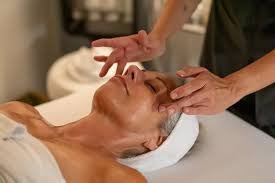
One of the most common elements in Korean body massage is acupressure. Practitioners apply firm but controlled pressure to specific points along the body, particularly areas associated with tension and energy flow. These points are believed to influence circulation, nerve response, and muscle relaxation. Acupressure is often used to relieve headaches, shoulder stiffness, and lower back pain.
Deep Tissue and Muscle Compression
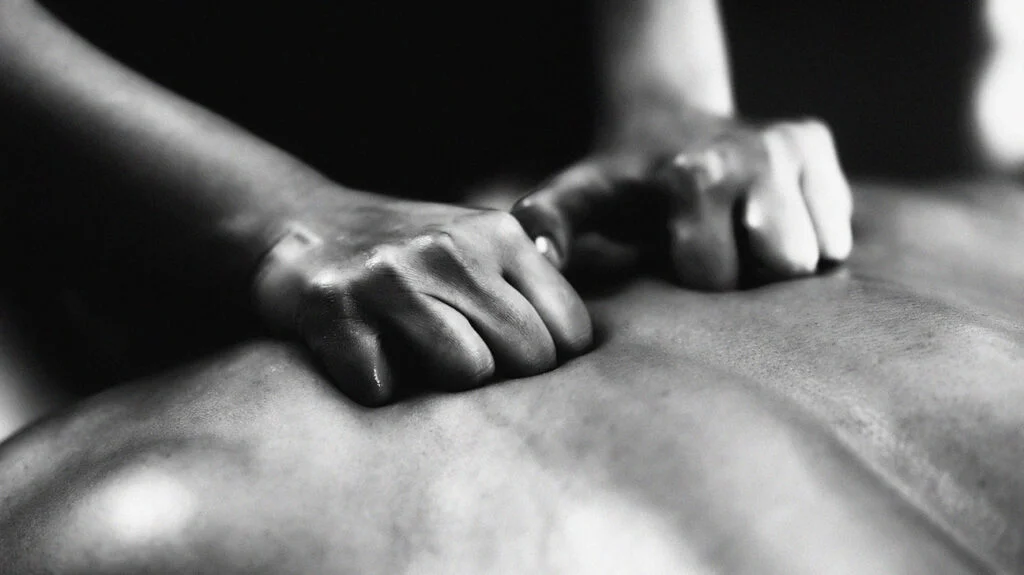
Traditional Korean massage often incorporates deep tissue methods designed to release tight muscles and improve flexibility. Unlike gentle relaxation massage, these techniques use slow, intentional pressure to target deeper muscle layers. This approach is especially beneficial for people experiencing chronic muscle tension, physical fatigue, or stiffness caused by long working hours
Stretching and Joint Mobilization
Another distinctive feature is assisted stretching. The therapist gently moves and stretches the client’s limbs to improve joint mobility and muscle elasticity. These movements help increase range of motion, support posture correction, and enhance blood flow. This aspect of Korean massage shares similarities with passive stretching exercises and is commonly used to support physical balance.
Circulation-Focused Techniques
Improving blood and lymphatic circulation is a key goal of traditional Korean body massage. Long, flowing strokes are used to encourage better oxygen and nutrient delivery throughout the body. Enhanced circulation is believed to support faster recovery from fatigue, reduce swelling, and promote a feeling of lightness and vitality
Mind-Body Relaxation
Beyond physical benefits, Korean massage places strong emphasis on mental relaxation. The steady rhythm of movements and focused pressure help calm the nervous system, reduce stress, and improve sleep quality. This holistic approach treats relaxation as both a physical and psychological process, making the experience deeply restorative
Modern Adaptations of Traditional Techniques
While rooted in tradition, Korean body massage has adapted to modern needs. Today, many practitioners combine traditional techniques with contemporary knowledge of anatomy and wellness. This fusion allows clients to experience cultural heritage while benefiting from modern therapeutic standards.
Conclusion
Traditional Korean body massage techniques offer more than simple relaxation. They represent a holistic system focused on balance, circulation, flexibility, and mental calm. By blending acupressure, deep muscle work, stretching, and mindful touch, these techniques continue to play a meaningful role in modern wellness practices. Their enduring popularity reflects a timeless understanding of the connection between body, mind, and overall health.