Korean 마사지 has a rich history that reflects the culture, traditions, and wellness philosophies of the Korean Peninsula. From ancient royal palaces to modern premium spas, this therapeutic practice has evolved to meet the changing needs of society while maintaining its core principles of balance, energy flow, and holistic healing.
Origins in the Royal Palaces
The roots of Korean massage can be traced back to the Joseon Dynasty, where skilled practitioners provided therapeutic treatments for royalty. These massages were not just about relaxation; they were integral to health and longevity, designed to enhance circulation, ease muscular tension, and balance internal energy. Traditional techniques focused on pressure point stimulation, stretching, and rhythmic movements, often accompanied by herbal remedies to support overall wellness.
Transition to Public Health and Community Care
Over time, Korean massage extended beyond palace walls into villages and community centers, becoming part of everyday health care. Local healers adapted these techniques to treat a wide range of ailments, from fatigue and muscle stiffness to digestive and circulatory issues. This era emphasized the therapeutic and preventive aspects of massage, blending practical knowledge with cultural practices such as herbal therapies and hot stone treatments.
Modern Transformation: Premium Spas
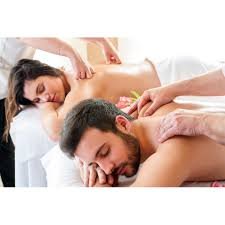
In recent decades, Korean massage has undergone a transformation, finding a place in luxury spas and wellness centers around the world. Modern practitioners combine traditional techniques with contemporary wellness trends, including aromatherapy, detox treatments, and spa rituals that focus on relaxation, skin health, and mental rejuvenation. Today, Korean massage in premium spas is not only a therapeutic experience but also a luxurious journey that nurtures body, mind, and spirit.
Preserving Tradition While Embracing Innovation
The evolution of Korean massage highlights the balance between heritage and modernity. While spas incorporate modern amenities and refined techniques, the core principles—energy balance, mindful touch, and holistic care—remain central. From the ancient palaces to contemporary wellness retreats, the practice continues to honor its cultural roots while adapting to the needs of today’s health-conscious clientele.
Conclusion
The journey of Korean massage from royal palaces to premium spas illustrates a rich legacy of healing and refinement. By blending traditional techniques with modern innovations, it offers a timeless approach to wellness that relieves tension, promotes vitality, and nurtures inner harmony. For those seeking a therapeutic experience steeped in history yet tailored to modern life, Korean massage provides an unmatched path to relaxation and rejuvenation.