
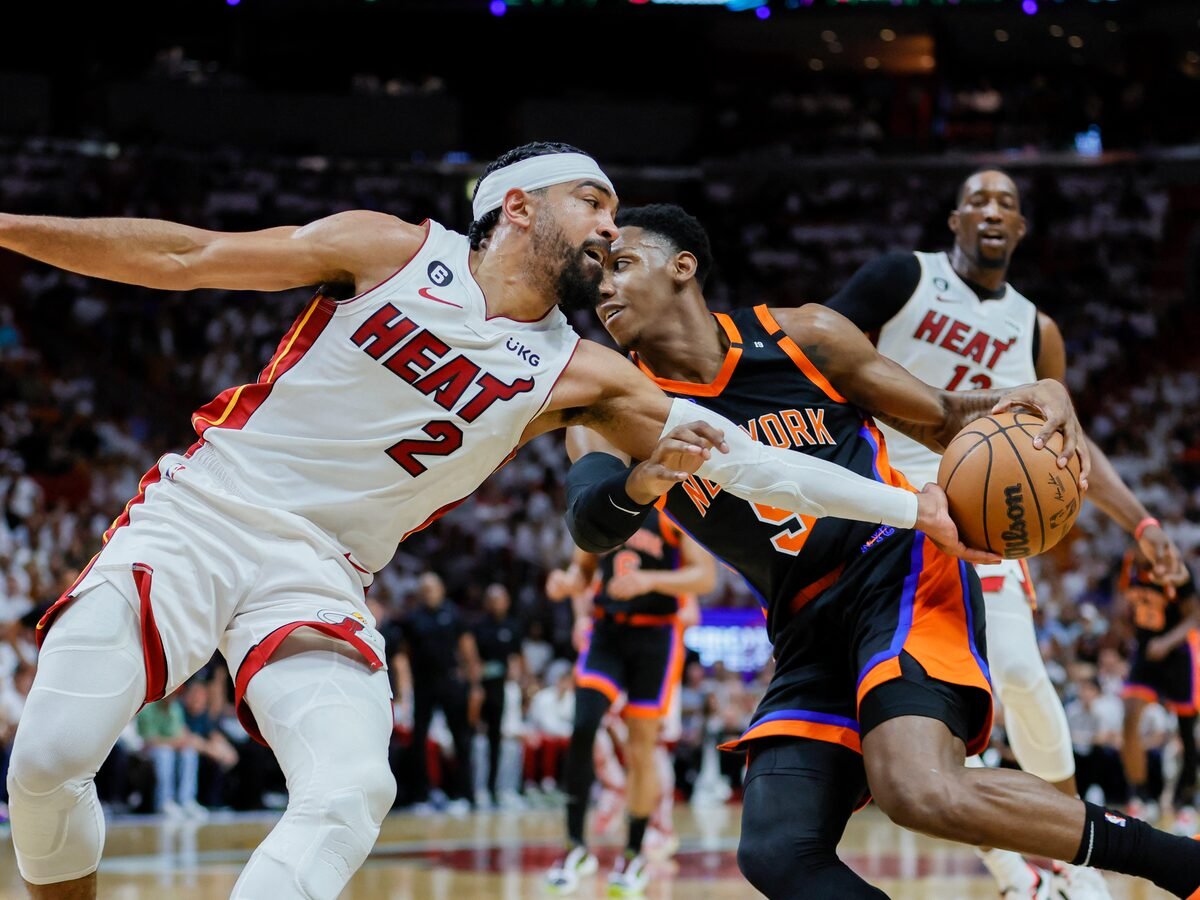
Basketball games at the professional level are often decided long before opening tip-off. Coaching strategies, defensive adjustments, and in-game decision-making can dramatically shift momentum. That was especially true in this recent meeting between Philadelphia and New York, where tactical execution and discipline ultimately separated the two teams. A close read of the numbers — including 76ers vs knicks match player stats — reveals how both squads approached the matchup and where key strategic advantages developed throughout the game.
Defensive Schemes and On-Court Adjustments
Philadelphia entered the game with a clear plan: disrupt New York’s spacing and force tough perimeter attempts. Early on, this seemed to work, as the Knicks settled for several long jumpers. But as the game progressed, New York adapted by shifting into more pick-and-roll sets, using screens to open driving lanes and mid-range looks.
The Knicks’ ability to read the defense and adjust played a major role in their offensive consistency. They emphasized ball movement and quick decisions, which reduced the effectiveness of Philadelphia’s traps. Meanwhile, the 76ers struggled to adjust when their initial game plan faltered. Slow rotations and missed assignments allowed New York to create high-percentage looks, particularly in the paint.
These defensive and offensive adaptations stand out prominently when examining 76ers vs knicks match player stats, which highlight changes in shot distribution and scoring efficiency across quarters.
The Battle for Tempo and Control
One of the most underrated aspects of professional basketball is pace. Teams that control tempo often control the flow of the game. Here, New York dictated pace for most of the night by avoiding rushed possessions and limiting transition opportunities for Philadelphia.
When the 76ers play fast, they tend to thrive. Their athletic lineup is built to run off turnovers, long rebounds, and quick outlet passes. But the Knicks refused to let the game speed up. They were deliberate, patient, and selective — denying Philadelphia the open-court chances they rely on.
This slower, more methodical pace favored New York’s strategic goals. It forced Philadelphia into half-court sets, where the 76ers struggled to maintain spacing and generate movement without the ball. Reviewing the 76ers vs knicks match player stats makes this clear: reduced fast-break points, longer possessions, and increased mid-range attempts all contributed to the 76ers’ offensive challenges.
Role Players Who Shifted the Game’s Momentum
Star players often receive the spotlight, but role players can change the outcome just as significantly. This matchup offered several examples.
For New York, contributions from bench players added energy and stability. Defensive pressure, timely rebounding, and efficient shot selection from the second unit helped maintain leads and prevent Philadelphia from gaining momentum.
Philadelphia, meanwhile, struggled to find consistent support beyond their main producers. While a few bench contributors provided sporadic boosts, the lack of sustained two-way impact created periods where scoring stalled and defensive intensity dipped.
When you review 76ers vs knicks match player stats, the importance of depth becomes clear. Plus-minus ratings, bench scoring totals, and defensive impact metrics all point to the same conclusion: New York’s reserves delivered, while Philadelphia’s group could not match their influence.
Shot Quality and Decision-Making
One of the clearest separators in this matchup was shot quality. New York took controlled, balanced shots created through designed plays or smart passing sequences. Philadelphia, on the other hand, often settled for contested looks.
Good teams generate easy baskets — through cuts, screens, post-ups, or high-percentage drives. In this game, the Knicks did all of that, making Philadelphia’s defensive lapses more costly. Their disciplined approach meant they rarely wasted possessions.
For the 76ers, many of their shots came late in the clock or from uncomfortable spots on the floor. This not only lowered their shooting percentage but also limited their ability to draw fouls or create second-chance opportunities.
A deep dive into 76ers vs knicks match player stats shows this contrast in shot selection: fewer attempts at the rim for Philadelphia, more mid-range attempts under pressure, and fewer assisted field goals compared to New York.
What This Means Looking Ahead
This matchup offered valuable lessons for both teams. New York’s disciplined approach, strong execution, and adaptability are signs of a team building a reliable identity. They controlled tempo, maximized possessions, and trusted both starters and bench players to deliver.
Philadelphia, meanwhile, will need to focus on offensive structure, defensive communication, and bench stability. They showed potential, but inconsistency — both in decision-making and effort — held them back. Refining these areas could dramatically improve future performances.
Understanding these trends through 76ers vs knicks match player stats provides fans and analysts with clearer insight into each team’s trajectory and the strategies that may influence their upcoming matchups.